
Sick on the Road
Lessons learned while traveling cross county with a miserable virus

Illness has a way of showing up at exactly the wrong time. After making it through the winter with nary a sneeze, I was finally taken down hard by what felt like the mother of all respiratory viruses.
The timing could not have been worse. It hit just days before our annual three-day drive from Arizona back to Illinois.
It started innocently enough: stuffy nose, scratchy throat, body aches. But within days, it escalated. I woke up feeling like I was swallowing razor blades. A dry, hacking cough set in. My head was completely congested, my body ached, and I started to lose my voice.
It was eerily reminiscent of a “man-cold.” I say that with all due respect, but how else do you describe the kind of illness that makes you question whether your nose, lungs, and throat will ever function normally again, or if this is simply how it all ends?
For context, I am married to a man who has been known to walk around with a Kleenex stuffed halfway up one nostril during these episodes. It felt safe to say this bug was right on par.
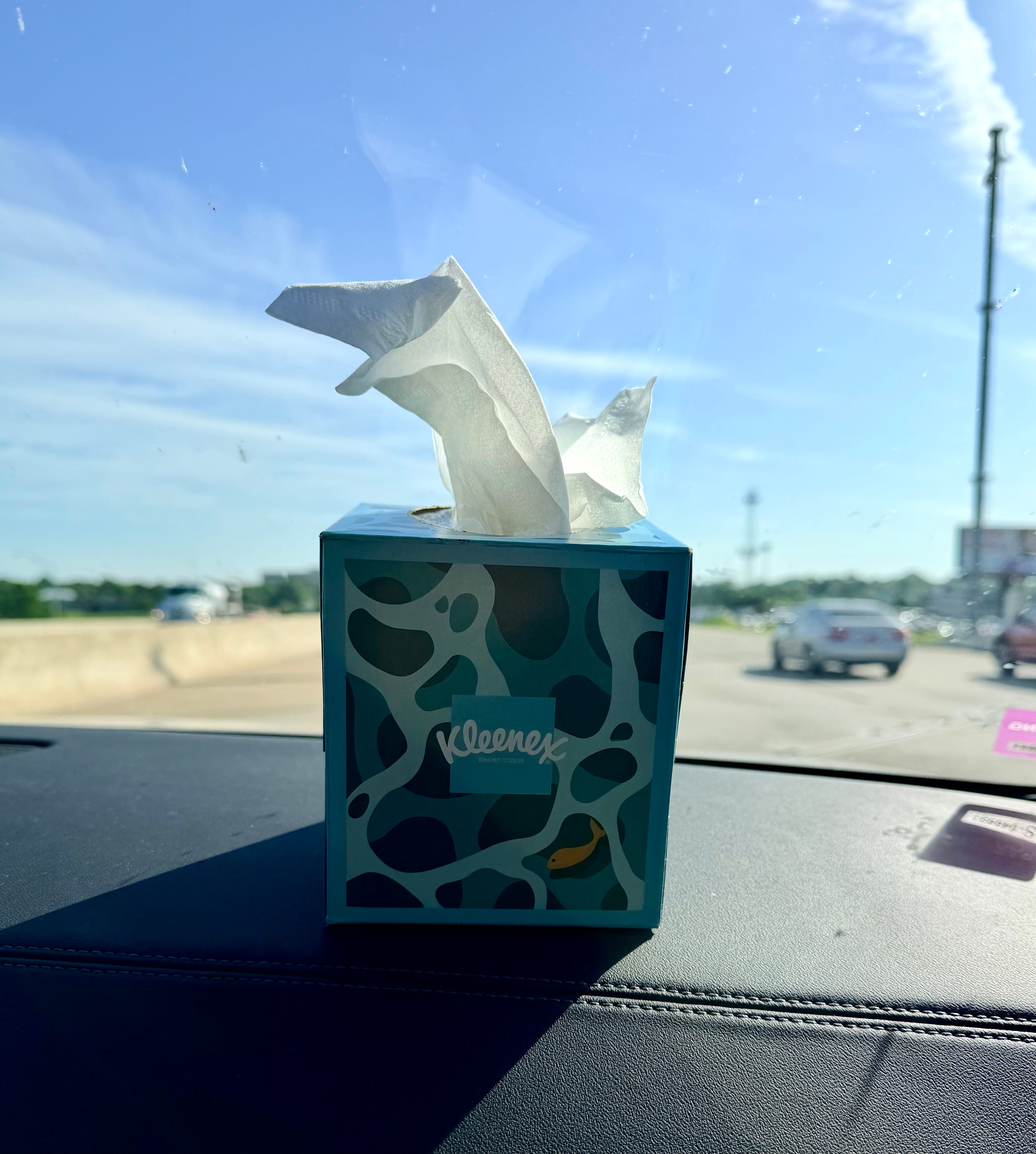
And I would be experiencing it in the car on a three-day road trip with my husband and our 100-pound dog, Louie.
This was our tenth time making the drive, and we had it down to a science. What we had not planned for was doing it while both of us were compromised. My husband was still recovering from a biking accident and a separated clavicle, and I was descending into a viral abyss.
Before leaving, I called my next-door neighbor/retired doctor/bestie, and asked her to listen to my lungs. She popped over, stethoscope in hand, and her verdict was that I probably had bronchitis, and I should postpone the trip.
As sensible as that sounded, we had commitments that made postponing difficult.
So instead, I went to a local convenient care, hoping for reassurance. What I got was a rushed encounter with a provider who barely examined me, declared my lungs sounded great, said it was a “just a cold virus” and exited with a quick “Feel better.”
And so, armed with DayQuil, NyQuil, a bag of throat lozenges and two boxes of Kleenex, we hit the road.
This trip looked nothing like years past. There were no thoughtful conversations about books or podcasts. I could barely talk or hear. My ears were so clogged at one point I nearly blew out an eardrum trying to clear them.
Add in the medication fog and the chalky aftermath of endless cough drops, and it became a full sensory experience. Even water tasted strange.
After one particularly aggressive coughing and nose-blowing episode, my husband glanced over with concern and said, “It is amazing how many fluids can come out of the human body.”
My response: “I think I need more DayQuil.” He agreed. I am fairly certain Louie did too.

Louie seemed concerned from his perch in the back seat.
Most of the first day’s drive passed in a medicated haze. My husband, still healing himself, did all the driving. To be fair, he usually does, but this time I felt especially guilty, particularly after I accidentally hit his injured shoulder while wrestling off my jacket.
By the time we checked into our hotel in Albuquerque, I was ready to down the NyQuil, crawl under the covers, and sleep through the misery. I even skipped dinner, which is not something I take lightly.
I slept hard, woke up groggy, and remember very little of the next day’s drive. Somewhere around Oklahoma, I started to feel marginally human again.
On our final night in Tulsa, I skipped the NyQuil to avoid the morning fog. The next day, I powered through the final eight hours, and by the time we arrived home, I did the bare minimum unpacking before heading straight to bed. This cold was really wearing me out.
The next morning, still feeling awful, I decided it was time for a second opinion and headed to the local convenient care. This visit was entirely different.
The provider actually listened, to me and to my lungs. She took her time and asked thoughtful questions. Her assessment was a bronchial infection. She prescribed an antibiotic and cough medicine and offered practical advice. What a difference that made.
I wish I could say I felt better immediately, but these things linger. Nearly two weeks in, I am still not back to normal. But the experience left me with a few takeaways.
First, we need a better name than “a cold virus.”It wildly understates the misery these viruses can bring. “Man-cold,” or maybe “Mega-cold” (which covers us women too) is a little better. I’m open to suggestions.
More importantly, it is a reminder of how much we take our health for granted until we do not have it. Even a routine illness can knock you off your game for days or weeks. It is exhausting, uncomfortable, and even demoralizing.
And when you are not feeling well, the demeanor of the person caring for you matters more than you might think. A dismissive encounter can leave you feeling like you are overreacting. A thoughtful one can reassure you and genuinely help you feel better, both physically and mentally.
Most healthcare providers I have encountered over the years have been excellent, skilled, compassionate, and dedicated. But when you experience the contrast, it is striking.
So here is a small but sincere thank you to the ones who take the extra time. Who listen. Who care. Whether it is a serious diagnosis or “just a cold,” your patients are counting on you more than you know. And we appreciate you!
And for readers who got hit with the same nasty bug, may your cough soon suppress, may your sinuses clear – and may you soon start feeling like yourself again!
I lived in Albuquerque for over two decades. Less than adequate medical care. Glad you found someone who cared and provided competent service. You weren’t lucky, you were blessed!
I have to admit your telling of your recent misery caused me to chuckle more than once, especially Joel’s comment about fluids!! Better days ahead, Peggy!!